Learn

A field guide for serious investors.

Plain explanations of tax-loss harvesting, direct indexing, fee math, and the engine that runs HarvestEngine. Built for self-directed investors and skeptical professionals who want clear reasoning, not hand-wavy marketing.

Start here

If you only read four things, read these.

Browse by topic

The full library.

Every article we've published, grouped by topic. Pick the section that matches the question you're trying to answer.

Start here

What HarvestEngine is, why it exists, and why tax-aware direct indexing matters.

3 articles
2026-04-26 · 6 min read · origin· fees

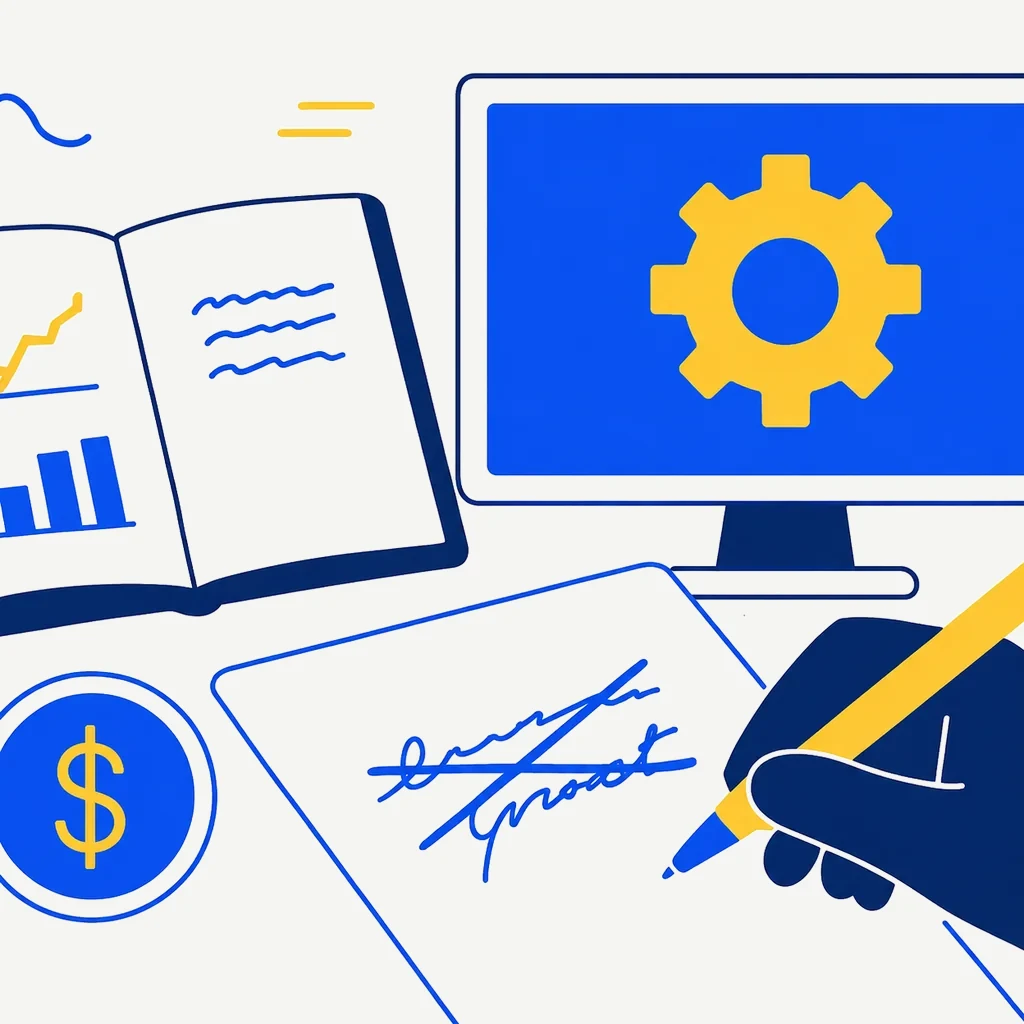
Quoted 1.85%, then built the product I actually wanted

A 1.85% advisor quote was the forcing function, but it was not the whole story. What I really wanted was transparent, tax-aware portfolio software that worked on the brokerage I already used. It did not exist, so I built it.

2026-04-26 · 8 min read · basics· taxes

What is tax-loss harvesting? A no-jargon explainer.

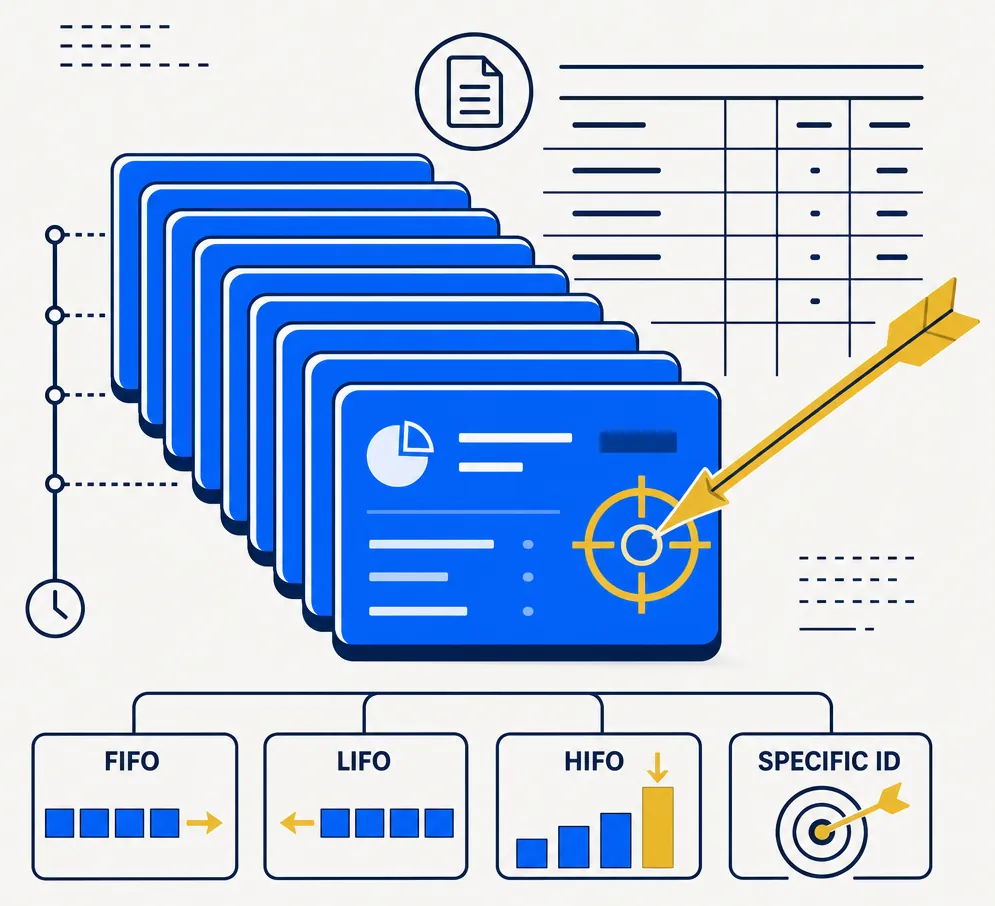
Every year the market gives you opportunities to capture losses without changing your investment thesis. Tax-loss harvesting turns those paper losses into real tax value. Here is what it is, how it works, and why direct indexing makes it much more powerful.

2026-04-29 · 11 min read · algorithm· engine· trust

The algorithm behind HarvestEngine, and why customers should care

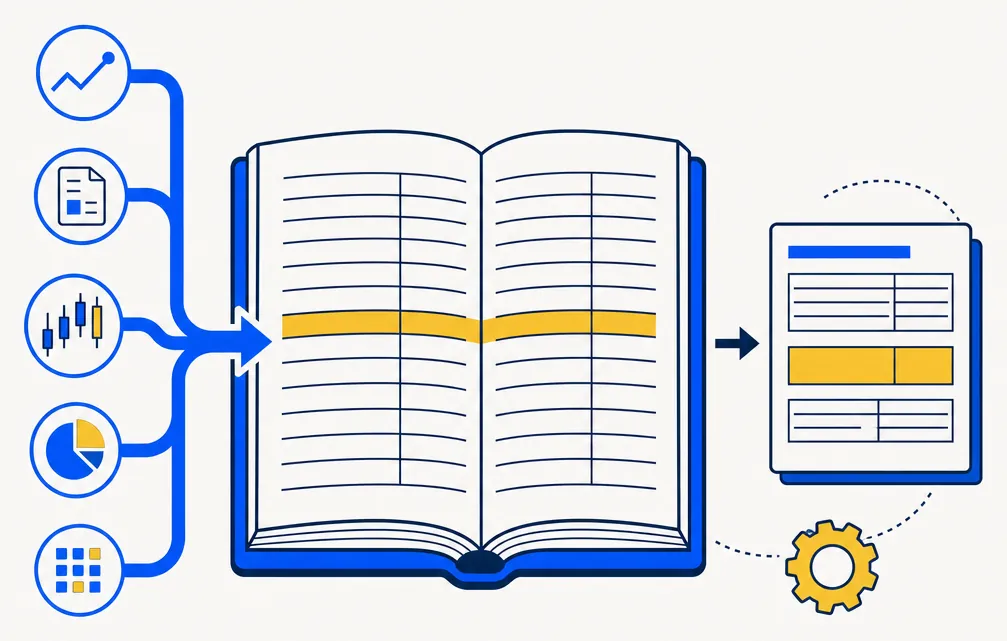
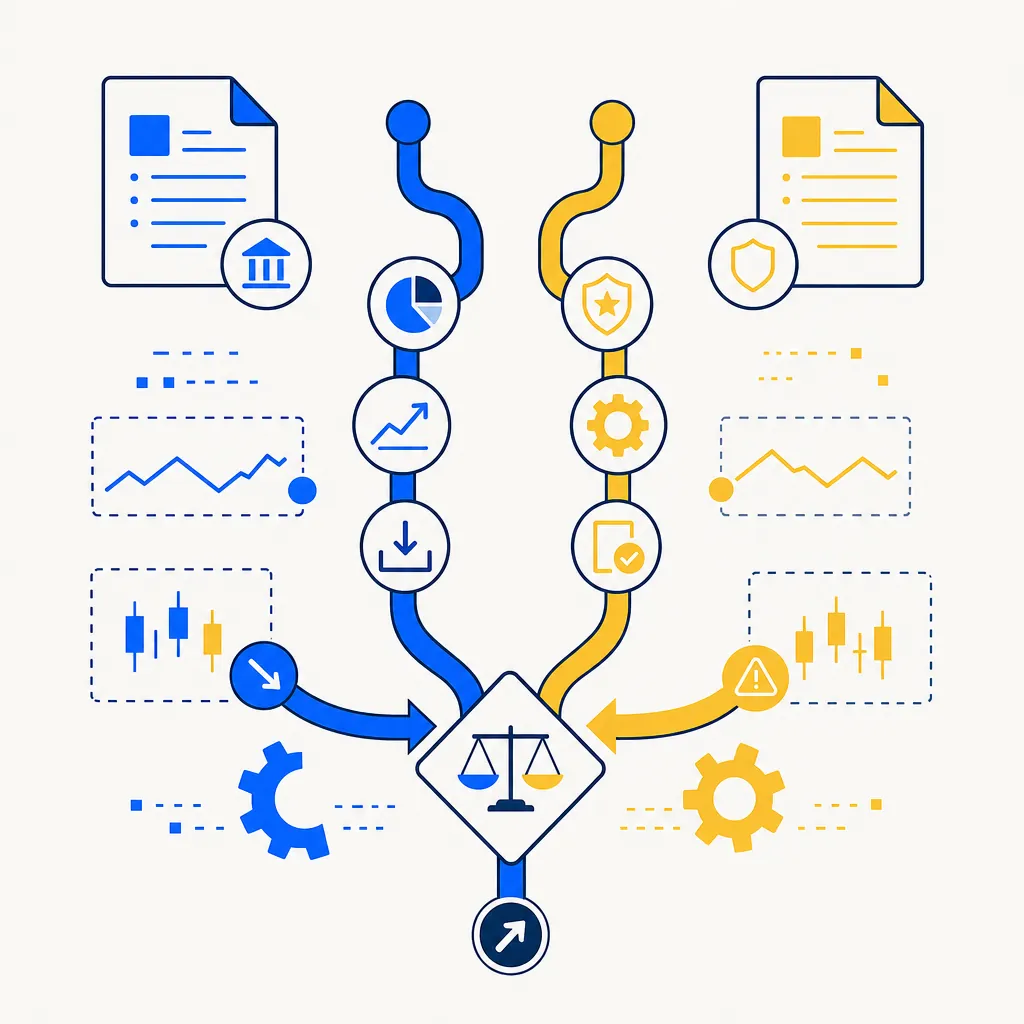
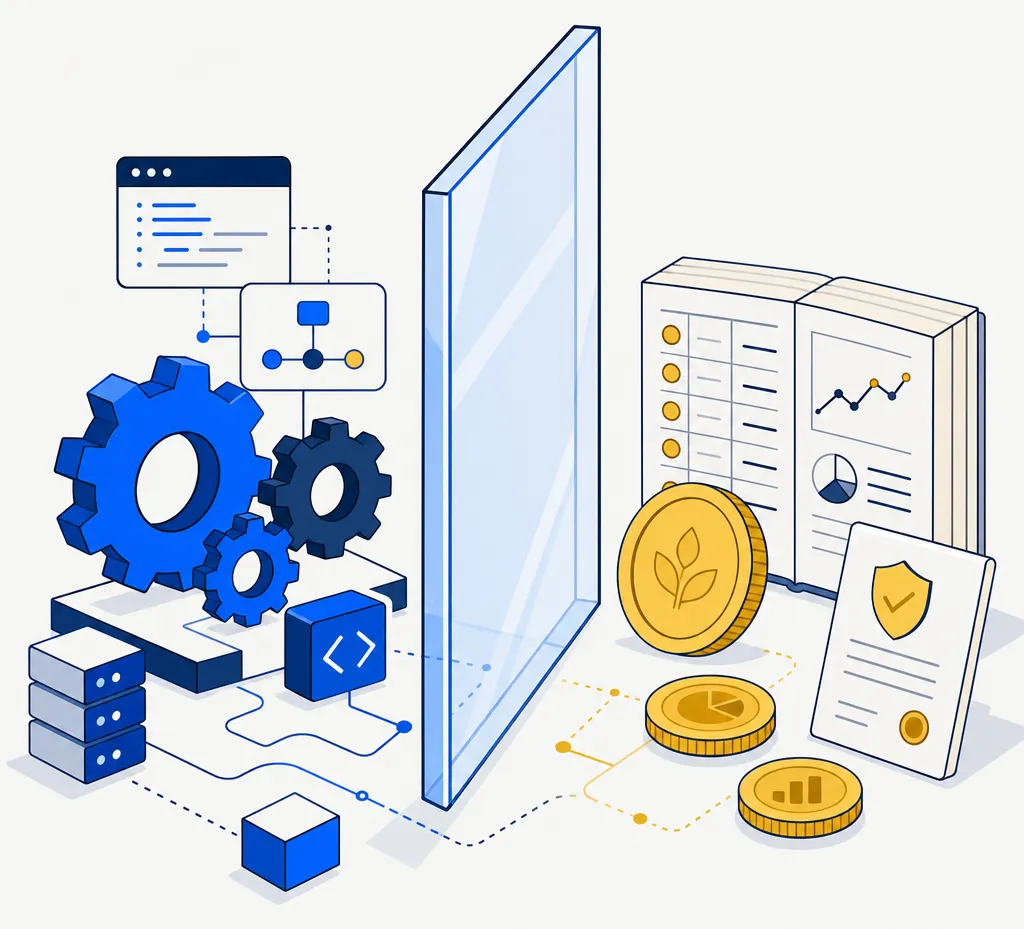
Most tax-loss harvesting tools compete on user interface and minimum account size. HarvestEngine competes on the engine itself: factor-grounded ranking, wash-safe replacement logic, vol-adjusted thresholds, and an audit trail the user can actually inspect.

The math

Tax alpha, fee shape, and the structural differences that change after-tax outcomes.

4 articles

2026-04-26 · 8 min read · basics· comparison

TLH vs ETF rebalancing: which actually saves you money?
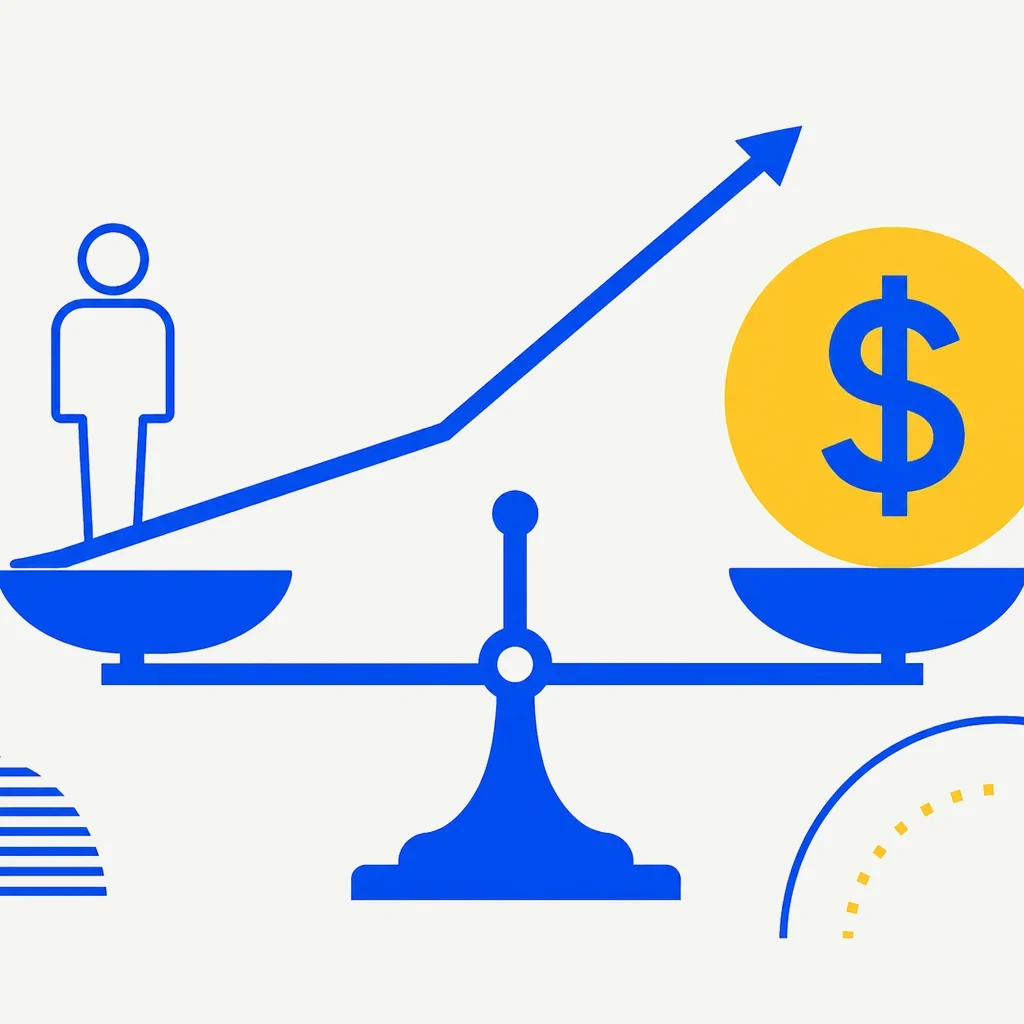
One ETF gives you one place to harvest. A direct-index sleeve gives you many. That structural difference is the simplest honest reason direct indexing exists.

2026-04-26 · 8 min read · fees· math

Why subscriptions beat percentage-of-assets fees at $250K and up

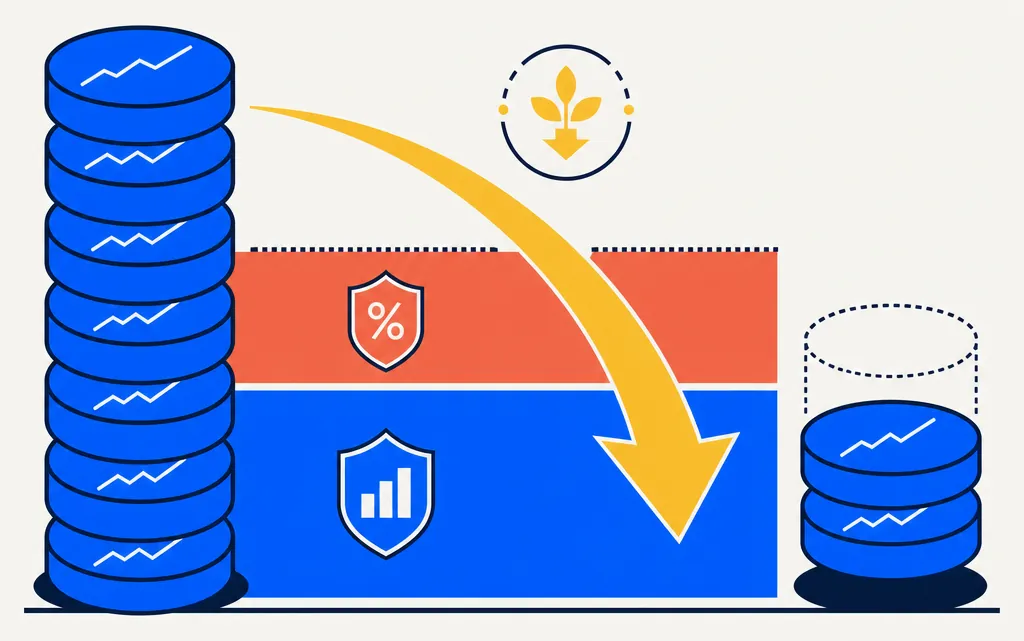
The shape of the fee matters more than most investors realize. A subscription stays fixed. A percentage-of-assets fee scales with your wealth forever.

2026-04-26 · 8 min read · taxes· concepts

Tax alpha: the return your portfolio earns by paying less tax

Tax alpha is not magic and it is not stock-picking alpha. It is the after-tax improvement that comes from smarter loss harvesting, gain deferral, and lot selection.

2026-05-01 · 6 min read · upsell· fees

When does the AI Designer + tax-loss math justify the $49?

The Sandbox shows you how the engine thinks. Guided is when you bring real money. Here's the threshold where the tax math actually pays the subscription back, and the threshold below which a Vanguard ETF is the better answer.

The rules

Wash sales, basis tracking, and the IRS code sections that decide whether a move is actually clean.

3 articles

2026-04-26 · 10 min read · compliance· advanced

The wash-sale rule, demystified

If you sell at a loss and buy back something substantially identical inside the window, the IRS can disallow the loss. This is the line between smart harvesting and self-inflicted damage.

2026-04-26 · 8 min read · taxes· estate

The step-up basis: why long-horizon tax planning is more powerful than it first looks

Tax-loss harvesting is often described as a temporary deferral. Long-horizon estate rules can make that framing much too simplistic.

2026-04-26 · 9 min read · taxes· compliance· reference

The IRS code behind tax-loss harvesting: the practical cheat sheet

You do not need to memorize the whole tax code. You do need to understand the few sections that determine whether a harvest is usable, a hedge is clean, and a long-horizon plan actually works.

Strategy

Loss banks, pacing, concentrated-stock planning, and advanced overlays in the real world.

5 articles

2026-04-26 · 8 min read · advanced· rsu

Concentrated stock + RSUs: tax planning when one ticker dominates

Concentrated stock is not just a risk problem. It is a risk-and-tax problem at the same time. Here is how direct indexing and pacing make the unwind smarter.

2026-04-26 · 9 min read · taxes· advanced

The art of pacing: why timing your harvests through the year matters

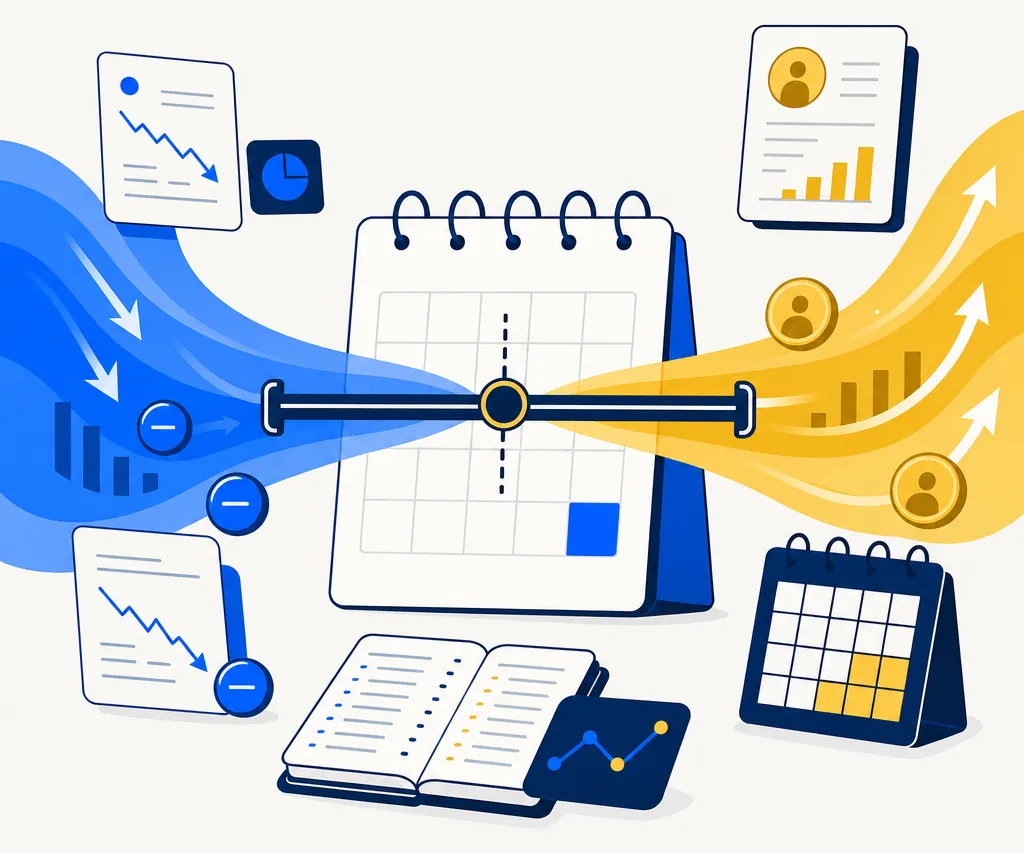
TLH is not just about seeing a loss and clicking sell. It is about building a usable loss bank, avoiding bad timing, and realizing gains intentionally when the year is right.

2026-04-26 · 8 min read · taxes· strategy

The zero-tax exit: pairing losses with gains for a $0 tax bill

A harvested loss bank is not just this year's tax help. It can become a strategic reserve for future diversification, rebalancing, and liquidity decisions.

2026-04-26 · 8 min read · short· risk· advanced

Using short positions as escape hatches on risky long bets

Short positions are not only about trying to profit from decline. In the right setup, they can help reshape risk around appreciated long holdings without forcing a crude sell-now decision.

2026-05-01 · 8 min read · upsell· advanced· short

When the long sleeve isn't enough

Long-only TLH is a real win. But for high-income / RSU-heavy / concentrated-stock cases, the long side runs out of harvestable losses before the year does. The short overlay generates additional realized losses without permanently changing your market exposure. Here's the case for it, and the cases against.

Concepts

The portfolio-construction ideas underneath the product — beta, sleeve structure, direct-index design.

6 articles
2026-04-26 · 9 min read · fit· decision

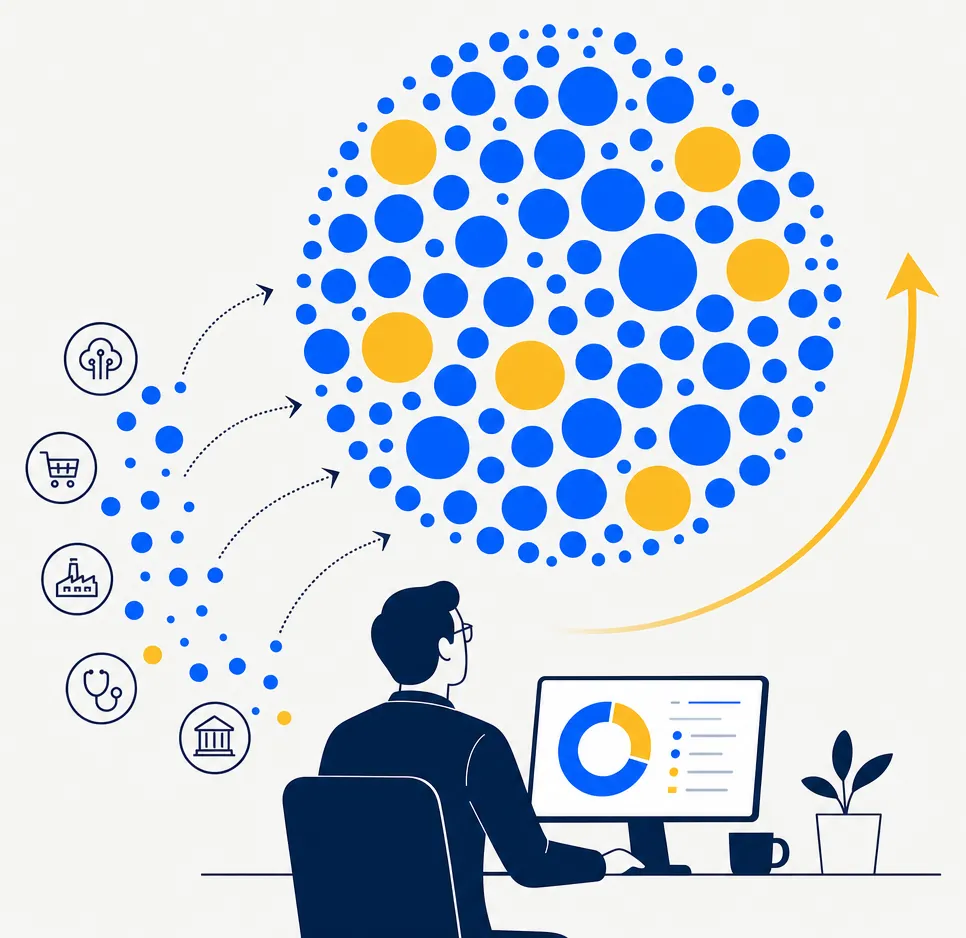
Direct indexing in 2026: who needs it, who doesn't
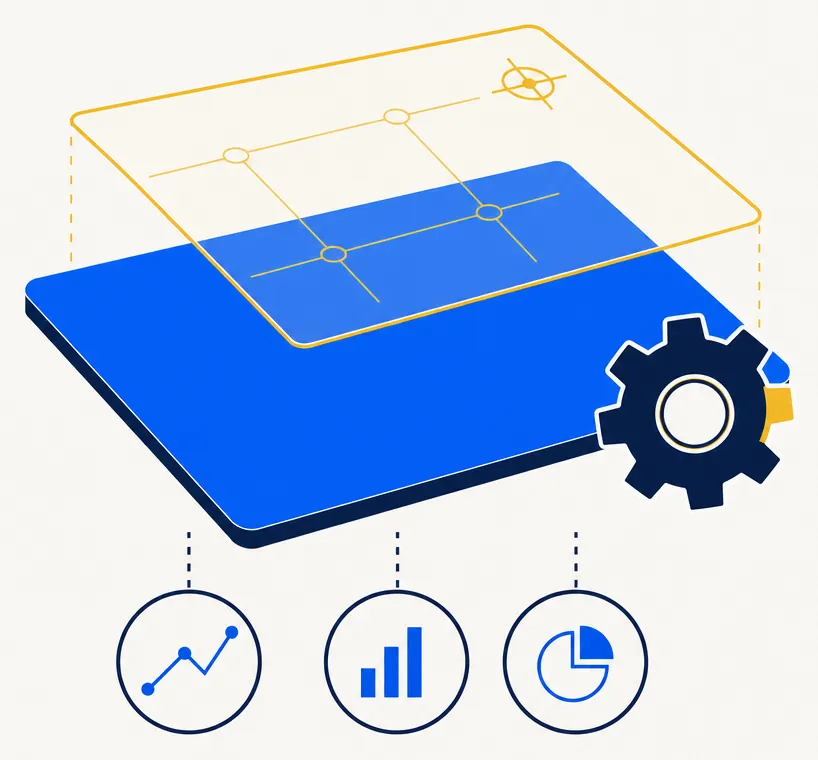
Direct indexing is not for everyone. But for the right taxable account, it creates a much better tax surface than a plain ETF. Here is how to decide where you actually fall.

2026-04-26 · 8 min read · advanced· short

Short overlay: when extra flexibility is worth the complexity

A short overlay can add risk control and flexibility on top of a long-only tax-aware portfolio. It can also add a lot of complexity fast. Here is when it earns its place and when it clearly does not.

2026-04-26 · 7 min read · concepts· risk

Beta, in plain English: why your portfolio's risk is mostly the market's risk

Beta is the market-sensitivity dial underneath the portfolio. If you do not understand it, you do not fully understand what your portfolio is likely to do in a real drawdown.

2026-04-26 · 10 min read · concepts· advanced

The three sleeves: beta, long, and short — and why the structure matters
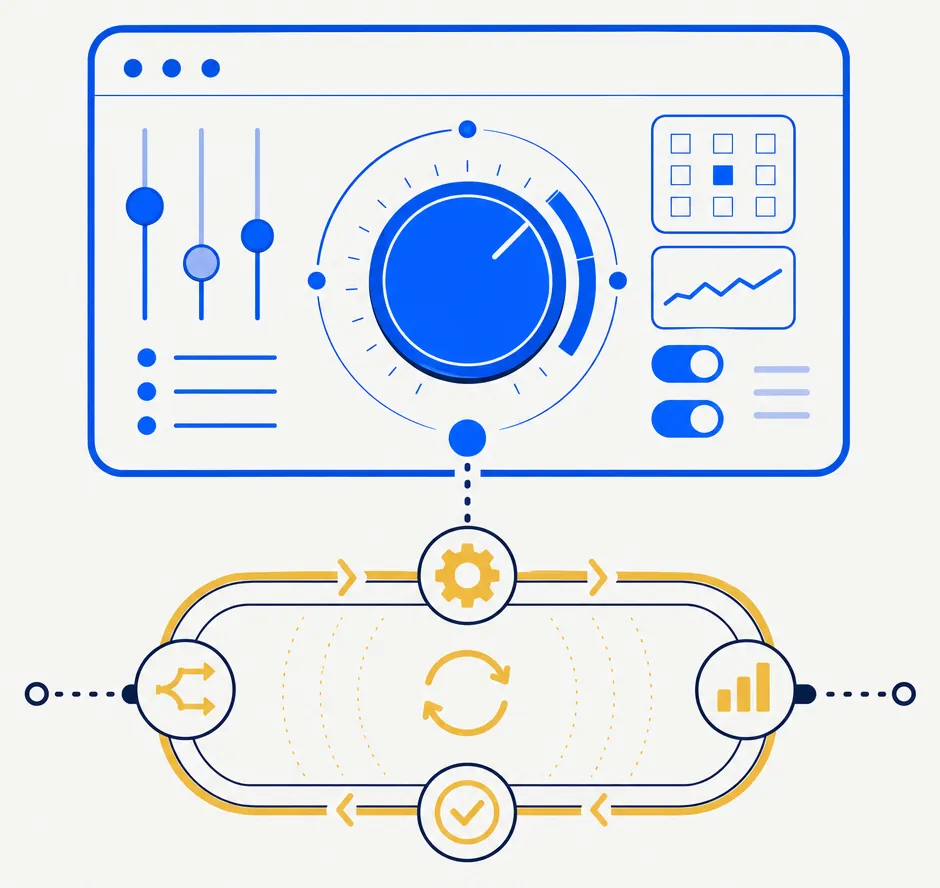
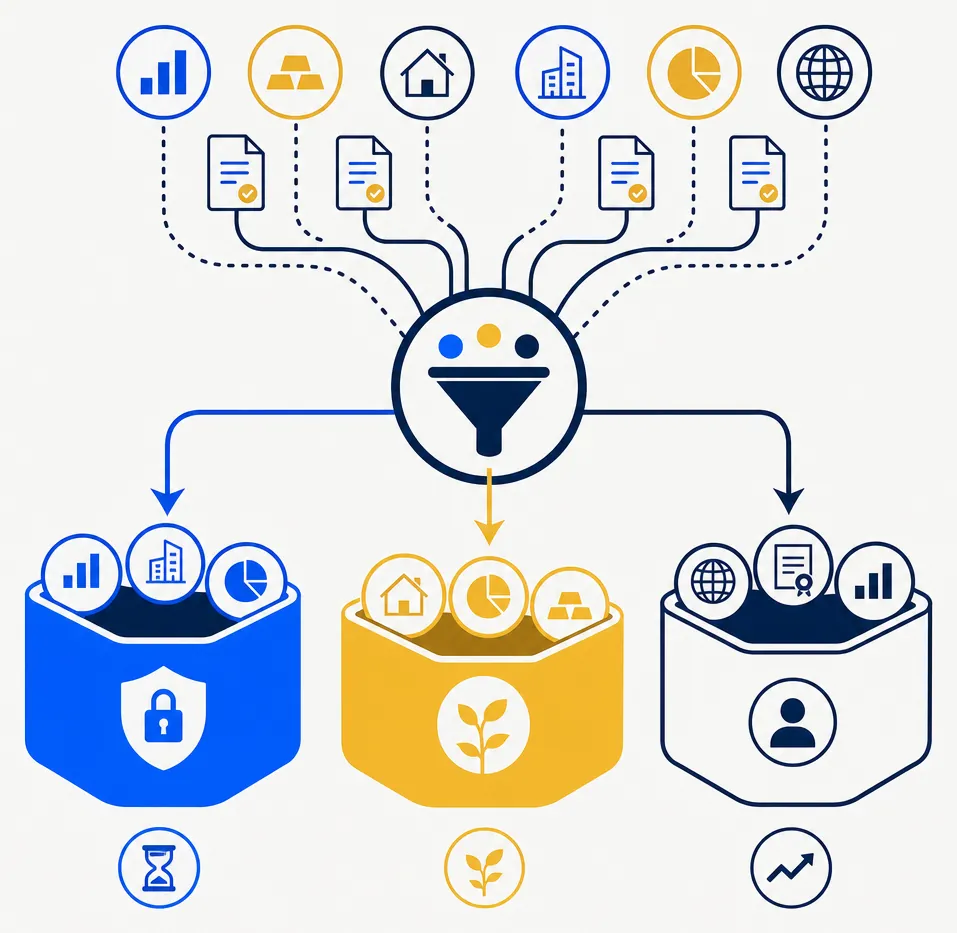
A serious tax-aware portfolio is easier to understand when you separate clean beta exposure from the long tax-aware sleeve and the optional short overlay.

2026-05-01 · 7 min read · upsell· autonomy

From hand-approve to lights-out — what changes in Autopilot?

Guided makes you press Approve on every trade. Autopilot lets the engine close the loop within rails you set — daily caps, veto window, kill switch. Here's how the autonomy graduation works and when it earns its $99/month.

2026-05-07 · 10 min read · margin· concepts· advanced

Margin, demystified: cash, SMA, and why your buying power is bigger than your cash

Open a margin account and your broker hands you four different 'cash' numbers — Investable Cash, Net Cash, Adjusted SMA, Margin Buying Power — and they can differ by 40×. Here's what each one means, when it matters, and why HarvestEngine only shows margin metrics on accounts you've explicitly designated for the short overlay.

The industry

How HarvestEngine compares with the products, platforms, and narratives already in the market.

3 articles

2026-04-26 · 8 min read · comparison

HarvestEngine vs Wealthfront: software vs management

This is not just a product comparison. It is also a platform-model comparison: move your assets to a managed stack, or keep your broker and run better software on top.

2026-04-26 · 7 min read · compliance· ai

How HarvestEngine uses AI without crossing into investment advice

The AI should explain, simulate, and operationalize the rules you set. It should not posture as a hidden adviser telling you what to buy.

2026-04-26 · 10 min read · fees· industry

Why Morgan Stanley and Gotham want you in their TLH program

The harvest itself may be real. The bigger question is the all-in cost and control model of the structure you are actually being sold.