
"Tax alpha" is one of those phrases the industry loves to use and almost never slows down to define.
Here is the clean definition:
Tax alpha is the after-tax improvement a portfolio gets from smarter tax management, not from taking more market risk.
It is not magic. It is not stock-picking brilliance. It is what happens when a portfolio is designed to reduce unnecessary taxes instead of treating taxes like an afterthought.
Where tax alpha actually comes from
Where does tax alpha actually come from in a tax-aware portfolio?
There are three main engines that drive tax alpha in a well-managed portfolio:
- Harvesting losses. Realized losses can offset realized gains, and unused losses can carry forward.
- Deferring gains. Every dollar of tax you do not pay today is a dollar that keeps compounding.
- Smarter lot selection. Selling higher-basis lots first usually means realizing less gain when you do need to sell.
That is why tax alpha belongs in the same conversation as direct indexing, wash-sale management, and portfolio construction. It is not a side feature. It is the point of the whole system.
What tax alpha is not
- It is not market alpha. It does not mean you beat the benchmark because you picked better securities.
- It is not fee savings. Lower fees help, but that is a different benefit.
- It is not tax elimination. In many cases you are deferring tax, not erasing it.
That distinction matters, because a lot of marketing language blurs it on purpose.
The big assumption behind every tax-alpha claim
What key assumption determines whether tax alpha actually delivers value for an investor?
Tax alpha only matters if the investor can actually use the losses and hold the portfolio long enough for the deferral benefit to compound.
If you harvest losses and then liquidate the whole portfolio soon after, much of the benefit gets pulled back into the recognition of gains. The longer the horizon, the more powerful the effect becomes.
This is why tax alpha tends to matter most for investors with:
- taxable assets
- meaningful capital-gains exposure
- multi-year holding periods
See the compounding effect
What can this simulator show about compounding, without promising anything about your account?
The simulator below lets you compare a plain taxable portfolio, a tax-aware portfolio, and a tax-deferred portfolio. This is a hypothetical calculator, not a forecast. It grows $1,000,000 for 30 years at the inputs you choose; results change every time you change them. “Plain taxable” loses the tax-drag percentage of every year's return, as if all gains were taxed annually — a broad index fund held without selling usually has far lower annual drag, so this line likely overstates the gap. The tax-alpha line adds your chosen rate every year; published research finds harvesting benefits are largest in the first years after a deposit and shrink afterward, so a constant rate for 30 years overstates the likely benefit. No line includes fees, trading costs, or the tax due when the portfolio is sold — harvesting lowers your cost basis, so part of the benefit is paid back then. Not the result of any HarvestEngine account.
The practical takeaway
Why does even a small improvement in after-tax compounding rate matter so much over a long investment horizon?
A portfolio that may compound at a slightly better after-tax rate for a long time can create a very large wealth gap versus a portfolio that ignores tax design.
That is why tax alpha matters. Not because the phrase sounds clever, but because after-tax compounding is the number that actually matters to the investor.
Why HarvestEngine cares so much about it
Why does HarvestEngine build tax alpha around a visible, auditable workflow rather than opaque promises?
HarvestEngine is built around the idea that tax alpha should come from a disciplined, explainable workflow:
- better harvest opportunities through direct indexing
- wash-sale-aware replacements
- portfolio-level tracking-error awareness
- visible trade logic instead of hand-wavy promises
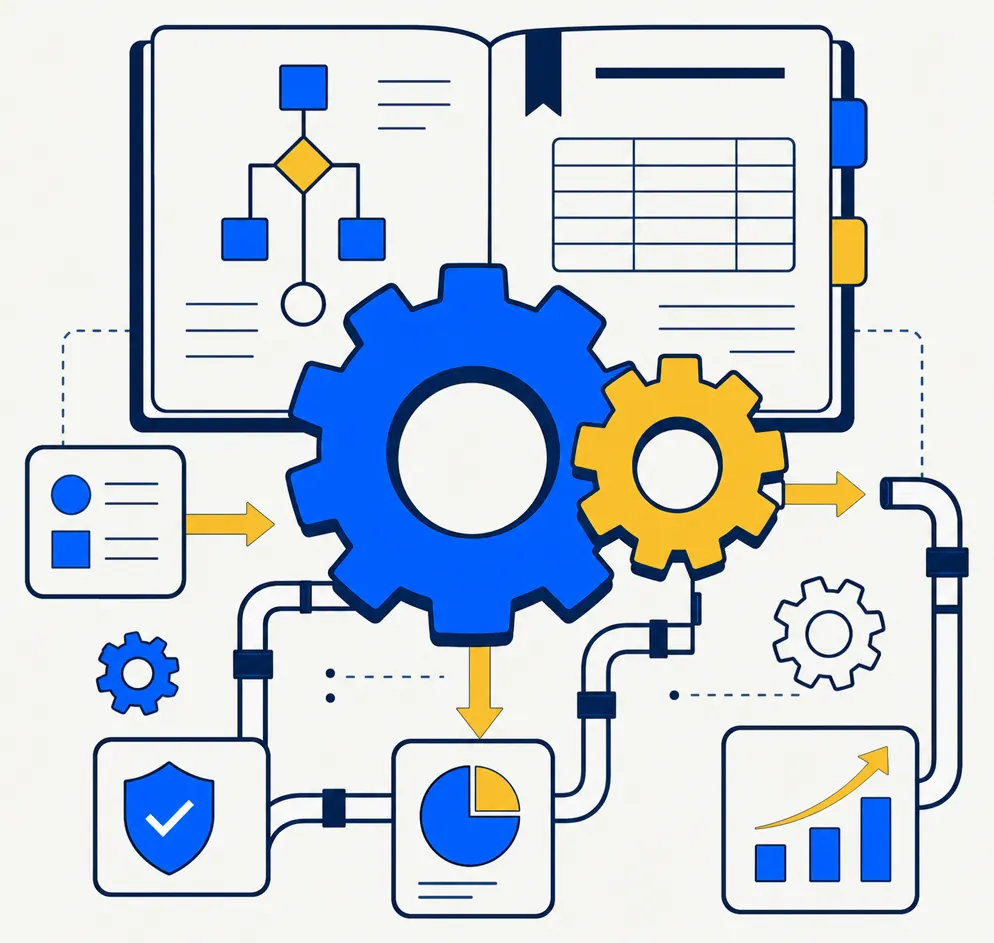
That is also why the educational layer matters. The more serious the investor, the less they want slogans and the more they want to understand the machinery.
Read this next with TLH 101, direct indexing in 2026, how TLH interacts with state taxes, gain-offset planning, and how lot selection changes your tax bill.